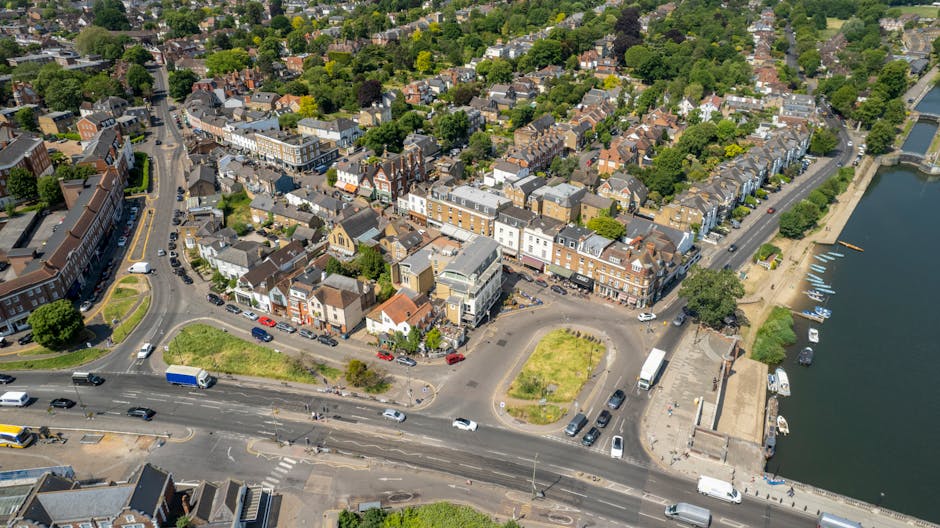
Kingston Office Removals for Businesses Near Kingston Bridge
If your business is based near Kingston Bridge, an office move can feel like trying to keep a dozen moving parts steady while the tide is coming in. There are desks to dismantle, staff to brief, cables that always seem to multiply overnight, and the small matter of getting everything across Kingston without the day turning into a scramble. This guide to Kingston office removals for businesses near Kingston Bridge is designed to make the process clearer, calmer, and far more manageable.
Whether you are relocating a compact office, moving a growing team to larger premises, or planning a staged move with minimal downtime, the right approach matters. A well-run commercial move protects your equipment, keeps your people informed, and helps you reopen on time. Below, you will find a practical breakdown of how office removals work, what to expect, what to avoid, and how to choose options that suit the realities of a busy Kingston business.
Quick takeaway: the best office move near Kingston Bridge is usually the one that is planned early, packed properly, and scheduled around your working hours. Simple enough to say. Harder to do without a good system, of course.
Table of Contents
- Why Kingston office removals for businesses near Kingston Bridge Matters
- How Kingston office removals for businesses near Kingston Bridge Works
- Key Benefits and Practical Advantages
- Who This Is For and When It Makes Sense
- Step-by-Step Guidance
- Expert Tips for Better Results
- Common Mistakes to Avoid
- Tools, Resources and Recommendations
- Law, Compliance, Standards, or Best Practice
- Options, Methods, or Comparison Table
- Case Study or Real-World Example
- Practical Checklist
- Conclusion
- Frequently Asked Questions
Why Kingston office removals for businesses near Kingston Bridge Matters
Kingston Bridge is one of those places where convenience and congestion live side by side. Businesses near the bridge often benefit from strong visibility, easy access to central Kingston, and good connections across the river, but those same routes can be busy at peak times. That means office removals in this part of town are less about brute force and more about timing, coordination, and local awareness.
For a business, the move is not just about getting furniture from A to B. It affects customer service, phone lines, data access, team morale, and even the first impression people get when you reopen. Miss the handover window and you could lose a working day. Forget to label a server cabinet properly and suddenly the "quick move" is not so quick. We have all seen the domino effect.
Near Kingston Bridge, there is also the practical issue of access. Loading space, road layout, and building restrictions can all shape the move. Some office buildings need lift reservations, some require out-of-hours access, and some have managed entry points that make advance planning essential. A good moving plan respects those realities rather than hoping they will sort themselves out.
If your move is part of a wider commercial update, it may also be worth reviewing your wider relocation requirements through office relocation services or, for larger operational changes, the broader support available through commercial moves. The right fit depends on the size of your team and how much complexity sits behind the move.
How Kingston office removals for businesses near Kingston Bridge Works
A professional office move normally follows a clear sequence. The details vary, but the structure is usually the same: assess, plan, pack, move, reconnect, and confirm everything works. That sounds neat on paper. In practice, it works best when each stage has an owner.
First comes a survey or planning discussion. This is where the mover looks at what needs to be moved, how far, what access exists, and whether there are items that need specialist handling. Office chairs and filing cabinets are straightforward enough. Desks with fixed cabling, archive boxes, printers, screens, and sensitive IT kit need more care.
Next is the packing phase. Some businesses prefer staff to pack their own desks. Others ask for professional packing help, especially for fragile equipment or shared storage areas. If you want help with materials and preparation, packing and boxes can be useful when you need consistent, durable materials rather than a last-minute pile of random cartons from the stationery cupboard.
Then comes moving day itself. Depending on the building and the volume involved, the team may use a removal van for a tighter city move or a larger vehicle where loads are bulkier. For some offices, a removal van is the most practical choice; for others, a removal truck hire arrangement makes sense where multiple runs or heavier loads are expected.
After that, the team places items in the correct rooms, reassembles essential furniture, and helps the business get back to work. A good mover does not just unload and disappear. They think about the setup sequence. Which desk needs power first? Which boxes should be left in a specific room? Which items are needed before lunchtime? These are the small decisions that save a lot of faff later.
For businesses that want a more hands-on move support option, man and van or man with van services can be useful for lighter office contents, document transfers, and smaller site-to-site moves. If the job is larger or more structured, a dedicated office team is usually the better call.
Key Benefits and Practical Advantages
There are obvious benefits to using a professional service, but the less obvious ones matter just as much. The most visible win is reduced disruption. A move that is handled properly allows staff to stay focused on customers, deadlines, and the work that actually pays the bills.
Another major benefit is risk reduction. Office furniture, IT equipment, archive material, and display items are all vulnerable during rushed moves. A structured process reduces accidental damage and makes it easier to track what has been packed, loaded, and delivered. That is especially helpful if your business is moving across multiple floors or into a building with shared access.
There is also a planning benefit. Experienced movers spot issues early. They notice if the lift is too small for a cabinet, if the parking bay is awkward for a lorry, or if a second person is needed to move a bulky item down a narrow stairwell. Those may sound like tiny details, but tiny details are what keep the day from wobbling.
For some businesses, storage is another practical advantage. If your new office is not ready in time, or you want to stage the move in phases, short-term storage can provide breathing space. In that case, storage is worth considering alongside the move plan. It is often the difference between a panic and a pause.
There is also a professionalism factor. Clients, suppliers, and staff notice when a move is organised. There is a steadier feel to it, a sense that the business knows what it is doing. That matters more than people admit, to be fair.
| Benefit | What it means in practice | Why it matters near Kingston Bridge |
|---|---|---|
| Less downtime | Move scheduling is built around business hours and handover windows | Local traffic and building access can be managed more carefully |
| Better protection | Furniture and equipment are packed, labelled, and loaded properly | Busy routes and tight access make careful handling essential |
| Clearer coordination | Departments, desks, and IT items are moved in a set sequence | Reduces confusion when teams need to restart quickly |
| More flexibility | Smaller loads, partial moves, or storage can be added if needed | Useful for phased relocations around Kingston business schedules |
Who This Is For and When It Makes Sense
This kind of move is for any business that needs to relocate office contents without losing control of the working week. That includes professional services firms, small agencies, trades offices, healthcare admin teams, local retailers with back-office space, and charities or community organisations operating near Kingston Bridge.
It makes particular sense when your office has more than a few workstations, shared equipment, or anything fragile that needs proper handling. If you are moving a small, simple setup, a lighter service may be enough. If you have multiple departments, reception furniture, archive cabinets, meeting rooms, and IT hardware, you want a more organised office removal from the start.
There are also times when a business move becomes the sensible choice even if the current premises are still usable. Maybe your lease is ending. Maybe your team has outgrown the space. Maybe hybrid working has changed how much room you actually need. Or maybe the office is just no longer practical for clients and staff. That happens more often than people expect.
For smaller or faster jobs, the company may only need a straightforward moving solution. For larger transitions, a dedicated office removals service or a more managed office relocation services package usually makes more sense. The decision really depends on complexity, not just size.
And if your move is happening alongside a broader clear-out, equipment replacement, or office refit, it is wise to think about what should be moved, what should be stored, and what should be retired. Otherwise you just end up moving clutter with enthusiasm. Been there, seen that.
Step-by-Step Guidance
- Define the move scope. List every desk, chair, cabinet, monitor, printer, and box that needs to travel. Include items in meeting rooms, reception, kitchens, and storage cupboards. Office moves always grow legs if you leave them vague.
- Set the timeline early. Choose your move date, preferred access times, and handover deadlines. If you are near Kingston Bridge, factor in traffic patterns and building access restrictions.
- Assign internal owners. Someone should manage IT, someone else should handle packing labels, and someone should confirm the destination layout. One person trying to do all of it is a recipe for stress.
- Prepare the new space. Make sure keys, access codes, parking permissions, lift bookings, and desk plans are ready before moving day.
- Pack with sequence in mind. Put essential items together, label each box clearly, and keep critical documents separate. Staff can pack personal items, but shared equipment should be controlled centrally.
- Protect technology. Back up data, disconnect equipment safely, photograph cable setups if needed, and keep accessories with the correct device. If there is any doubt, get help rather than guessing.
- Move in phases if needed. If the office cannot shut down for long, move non-essential items first and core workstations last. Phased moves are often less glamorous, but far less disruptive.
- Rebuild in the right order. Prioritise workstations, internet access, phones, and core operations before furniture styling. Nice plants can wait. The Wi-Fi cannot.
- Check and sign off. Walk the premises, confirm all items have arrived, and make a quick record of any issues before everyone disappears into their first meeting.
If you want packing support rather than doing it all in-house, packing and unpacking services can save time and reduce the chance of mislabelled boxes. For some moves, that is the difference between a smooth restart and a messy first morning with three people hunting for the stapler.
Expert Tips for Better Results
One of the most useful things you can do is create a simple move map. It does not need to be fancy. A spreadsheet, a printed room list, or even a shared checklist can work. What matters is that everyone is using the same version. Mixed instructions cause more trouble than most people think.
Keep a "day-one essentials" box for each department. That box should include chargers, passwords or login notes where appropriate, stationery, kettle items, basic tools, and anything needed to keep the team functional during the first few hours. You will thank yourself later.
Take photos before dismantling anything complicated. Desks with cable trays, modular shelving, and telecom setups can be surprisingly annoying to rebuild from memory. A quick phone photo now saves a lot of head-scratching later. Not dramatic, just sensible.
Where possible, avoid moving on a Friday afternoon unless your schedule genuinely demands it. Midweek often gives you more room to fix problems before the weekend, and that can be a very good thing if a missing part needs chasing or a network issue shows up late.
Also, think about the human side. Staff do better when they know what is happening. A short briefing before the move, and a follow-up note after it, keeps the atmosphere steady. When people know where to go, where to leave boxes, and who to ask, the whole thing feels less chaotic.
If you are comparing providers, look beyond the headline price. Check whether the team understands commercial relocations, whether they can accommodate your building rules, and whether they offer sensible options for heavier items or additional runs. A low quote can look attractive right up until the day it becomes expensive in a different way.
Common Mistakes to Avoid
The biggest mistake is underestimating how long office removals actually take. Even a modest office can take longer than expected because packing, access, loading, and setup all happen in a chain. If one link slips, the rest do too. It is rarely the last box that causes the issue; it is the bit before it.
Another common problem is failing to separate essential items from non-essential ones. If all the boxes look the same and all the equipment is mixed together, the new office becomes a treasure hunt. A very annoying treasure hunt.
People also forget to plan for building access. Lift booking, parking, security desk sign-ins, and loading bay restrictions can all create delays if nobody confirms them in advance. Near Kingston Bridge, this is especially worth checking because the surrounding roads can be busy and parking can be limited.
Some businesses also leave IT to the end. That is risky. Internet access, phone systems, and device setup should be planned before the move, not after the furniture has been placed. Otherwise the office may look ready while the workday is still stuck in limbo.
Finally, do not assume all removal companies handle business moves in the same way. A general mover may be excellent for domestic work but less prepared for office coordination. If your move has multiple rooms, sensitive files, or shared tech infrastructure, use a team that understands the difference. You can always compare providers through removal companies or look at broader removal services if you are still deciding what level of support you need.
Tools, Resources and Recommendations
You do not need a complicated toolkit to run a good office move, but you do need the right basics. Start with strong boxes, labels, marker pens, tape, protective wrapping, cable ties, and a clear floor plan for the new office. Little things, yes, but they make a sizeable difference.
It also helps to keep a digital inventory. A simple shared document listing each room, the items in it, and the destination room can prevent a lot of back-and-forth on the day. If your move involves cupboards, filing systems, or multiple departments, a room-by-room list is far more reliable than memory.
For businesses with heavier furniture or awkward items, the vehicle choice matters. A well-sized moving vehicle reduces the number of trips and limits handling. If you are unsure, a moving truck may suit larger jobs, while smaller urban moves can be handled with a van-based service. Matching vehicle size to load size is a small decision that has a big impact.
It can also be useful to read the company's policy pages before booking. Good movers should be open about standards, safety, and payments. For example, the team's approach to health and safety, insurance and safety, and payment and security should give you a clearer sense of how they work.
And if you care about disposal and reuse, it is worth checking their recycling approach too. Responsible moving is not just about transport; it is also about what happens to the things you no longer need. If that matters to your business, recycling and sustainability should be part of the conversation from the beginning.
Law, Compliance, Standards, or Best Practice
Office removals are not usually complicated from a legal point of view, but they still sit within a wider framework of business responsibility. You should think about the safety of staff, contractors, and building occupants, along with the handling of documents, equipment, and access arrangements. The exact obligations will vary depending on your premises and operations.
Best practice usually means planning for safe manual handling, clear access routes, appropriate lifting support for heavier items, and sensible control of hazardous or fragile materials. If your office contains filing cabinets, batteries, IT equipment, or awkward furniture, those details should be considered before anyone starts lifting. Common sense is helpful here, but written procedures are better.
Confidential material deserves special care too. Client files, personnel records, and financial documents should not be mixed loosely into general packing. Use secure boxes, controlled access, and a named person responsible for records. It sounds basic because it is basic, but people still trip over it.
Businesses should also be clear about insurance coverage. If something valuable is being moved, ask what is covered, what exclusions apply, and how claims are handled if damage occurs. That is not pessimism; it is due diligence. A professional moving company should be able to explain this clearly.
Finally, if your premises management requires specific move-out and move-in procedures, follow them. Buildings near busy roads and central areas often have their own rules around loading, lifts, and service entrances. Respecting those rules keeps the move smooth and avoids unnecessary friction.
Options, Methods, or Comparison Table
There is no single right way to move an office. The right choice depends on distance, load size, urgency, and how much disruption your business can tolerate. Here is a simple comparison to help you think it through.
| Method | Best for | Pros | Watch-outs |
|---|---|---|---|
| Dedicated office removals | Full business relocations with multiple desks or departments | Best coordination, structured packing, and smoother handover | Needs early planning and clear internal ownership |
| Office relocation services | Moves that need extra planning or phased delivery | Helpful for complex layouts, staged moves, or mixed equipment | May involve more prep work up front |
| Man and van | Smaller office loads, document transfers, lighter equipment | Flexible, practical, often suitable for quick local jobs | Less ideal for large furniture or full-floor relocations |
| Removal truck hire | Bulkier loads or multiple runs with lots of furniture | Good capacity and fewer return trips | Requires better access planning and loading space |
| Storage-led move | Businesses not ready to move everything at once | Creates breathing room between premises | Needs extra coordination and inventory control |
Many businesses end up using a mixed approach. For example, the main office furniture may go in one move, while archives and overflow stock are stored temporarily. That is not a sign of indecision. It is often the smartest route.
Case Study or Real-World Example
Picture a small professional services firm just off the Kingston Bridge area. The team is moving from a compact second-floor office into a larger space nearby. They have eight desks, a reception area, a printer station, several filing cabinets, and a handful of boxed archives. Nothing dramatic. Nothing that sounds frightening. But there is still plenty to coordinate.
Instead of leaving everything to the last day, they create a simple move plan. Each staff member labels desk contents. The operations lead confirms building access and a lift booking. IT disconnects equipment the day before and photographs cable arrangements. The move team arrives early, loads the heavier furniture first, and places each department's boxes in labelled zones at the new office.
The result is not magical, just controlled. The team is able to restart work the same afternoon, with the reception area, workstations, and core devices up first. A few less urgent items wait until the next day. Nobody is thrilled about packing tape, but the office is functioning and the move has not swallowed the week. That is the kind of outcome businesses near Kingston Bridge usually want.
If the same firm had tried to do it ad hoc, they might still have moved successfully, but they would probably have spent more time searching for missing documents, untangling leads, and wondering where the label printer disappeared to. Which, frankly, is not a great use of anyone's Thursday.
Practical Checklist
Use this checklist before move day. It keeps the whole thing grounded.
- Confirm the move date, start time, and access windows.
- Notify staff and assign a move coordinator.
- Check parking, loading, and lift arrangements at both sites.
- Prepare a floor plan for the new office.
- Label boxes by department and destination room.
- Back up important digital files and protect sensitive records.
- Separate essential day-one items from everything else.
- Prepare IT equipment for disconnection and reconnection.
- Confirm vehicle type and load size with the moving team.
- Review insurance, payment, and terms before the move.
- Decide whether any items need storage, disposal, or recycling.
- Walk through the office after delivery and sign off on completion.
If you want to remove uncertainty from the process, it also helps to check the company information pages in advance. A transparent provider should make it easy to understand their about us details, terms and conditions, and pricing and quotes approach before you commit.
Conclusion
Kingston office removals for businesses near Kingston Bridge are easiest when they are treated like a business project, not just a transport job. The strongest moves are planned early, packed logically, timed around access and traffic, and supported by people who understand commercial relocation rather than simply shifting furniture around.
Whether you are moving a small office, a growing team, or a more complex workspace with storage and IT considerations, the real goal is the same: keep the business working while the address changes. Do that well and the move becomes a milestone rather than a disruption. And that, in the middle of a busy working week, is a very welcome feeling.
Get a free quote today and see how much you can save.
Frequently Asked Questions
How far in advance should we book Kingston office removals near Kingston Bridge?
As early as you can, ideally once your move date is roughly agreed. Business relocations near Kingston Bridge can be affected by building access, parking, and traffic, so early booking gives you more options and less stress.
Can an office move be done outside business hours?
Often, yes. Many businesses prefer evenings or weekends to reduce disruption. It depends on the building rules, the mover's availability, and whether your team needs to be present for setup.
What is the difference between office removals and office relocation services?
Office removals usually focus on moving items from one place to another. Office relocation services tend to be broader and may include planning, phased moves, setup support, and coordination across departments.
Do we need to pack everything ourselves?
Not necessarily. Some businesses pack low-risk items in-house and leave fragile, bulky, or sensitive equipment to the removals team. A mixed approach is often the most practical.
How do we move computers and IT equipment safely?
Back up data first, disconnect equipment carefully, label cables, and keep accessories with the right device. If you have multiple workstations or specialist kit, it is worth asking for help rather than improvising.
What happens if we need storage during the move?
Short-term storage can bridge the gap if your new office is not ready or if you are moving in stages. It is especially useful when handover dates do not line up neatly.
Is a man and van service enough for a business move?
It can be for smaller offices, document transfers, or light equipment moves. For larger premises, multiple rooms, or heavy furniture, a more structured office removal service is usually the better choice.
How can we reduce downtime during the relocation?
Plan the move sequence carefully, prioritise IT and essentials first, label everything clearly, and make sure the new office is ready before the team arrives. Downtime usually grows when the sequence is unclear.
Should we worry about insurance for office removals?
Yes, it is sensible to check. Ask what cover is in place, what is excluded, and how claims are handled. That is basic business caution, not overthinking.
What items are most likely to cause problems during a move?
Large desks, cabinets, printers, monitors, server-related equipment, and poorly labelled archive boxes often create delays. Anything awkward, heavy, or confidential needs special attention.
Can we move on a phased schedule instead of all at once?
Absolutely. In fact, phased moves are often the best option for busy businesses. They let you keep part of the office working while the rest of the move happens in stages.
How do we choose the right removals company?
Look for relevant commercial experience, clear communication, sensible planning, and transparent policies. It also helps if they understand local access issues near Kingston Bridge and can adapt to your schedule.
What should we do after the move is complete?
Check that all items have arrived, confirm that systems are working, and note any missing or damaged items straight away. A quick post-move review saves a lot of hassle later.