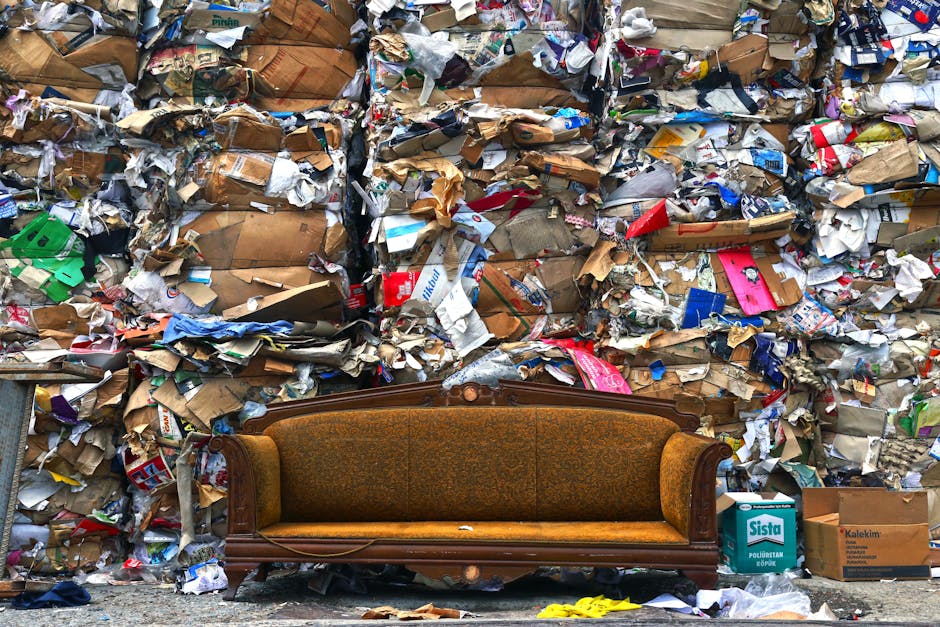
Kingston furniture disposal rules council fines and removals: what to know before you put anything on the street
If you are dealing with old sofas, wardrobes, broken bed frames, or a pile of flat-pack leftovers, the rules around Kingston furniture disposal rules council fines and removals can feel confusing fast. One moment you are trying to clear space, the next you are wondering whether that chair can go out with the bin, whether the council will collect it, or whether leaving it outside could lead to a fine. Truth be told, that uncertainty is exactly where costly mistakes happen.
This guide breaks it down in plain English. You will learn how furniture disposal normally works in Kingston, what can trigger council action or fines, how to avoid fly-tipping problems, and when a professional removal service makes more sense than trying to shift everything yourself. No fluff, no guesswork. Just practical guidance you can actually use.
For readers planning a full property clear-out, moving day, or a same-week turnaround, there is also a smarter way to handle disposal alongside transport, packing, and storage. We will touch on those options too, including where services like furniture removals, furniture pick up, and removal services fit into the picture.
Why Kingston furniture disposal rules council fines and removals matters
Furniture disposal sounds simple until you are standing in a hallway with a bulky sofa and nowhere sensible to put it. In Kingston, as in most UK local authority areas, the big issue is not just "how do I get rid of this?" It is "how do I get rid of it properly?" That distinction matters because the wrong method can create mess, block pavements, annoy neighbours, or count as unlawful dumping.
Council fines usually come into the conversation when waste is left on public land, placed out incorrectly, or handed to someone who does not dispose of it responsibly. A sofa dumped near a communal bin store at the wrong time may look like a quick solution. In reality, it can become a headache for everyone in the building. And yes, it can end up costing more than arranging a proper collection in the first place.
There is also a practical side. Furniture is bulky, awkward, and often heavy enough to damage door frames, lifts, stairwells, and backs. A quick DIY plan can turn into a two-hour wrestle. Not glamorous. Not fun. And definitely not something you want to repeat after a long day of moving boxes.
For landlords, letting agents, tenants, and homeowners, the stakes are different but the basic principle is the same: avoid abandoned furniture, avoid contamination of communal areas, and make sure the item ends up at the right destination. If you are clearing multiple rooms, the logistics can become surprisingly complex, which is why many people also look at house removals or flat removals alongside disposal.
Expert summary: The safest path is usually the one that leaves clear evidence of responsible disposal, avoids blocking public spaces, and uses a method suited to the size, weight, and condition of the furniture.
How Kingston furniture disposal rules council fines and removals works
At a practical level, furniture disposal in Kingston generally falls into a few broad routes: council collection, reuse or donation, private removal, or self-transport to a waste facility where permitted. The exact process can vary depending on the item, the quantity, and whether you are dealing with a single chair or an entire property clear-out.
1. Council collection routes
Many councils offer bulky waste or special item collections for larger household objects. These are usually booked in advance, may carry a fee, and may have item limits or restrictions. The important thing is to follow the council's booking instructions closely. Leaving furniture outside without a booked collection is where many people get caught out. You may think the collection is "basically arranged", but if the timing or placement is wrong, the item can still be treated as dumped waste.
2. Reuse before disposal
If the furniture is in usable condition, reuse is often the cleanest option. That might mean giving it away, selling it, or passing it to someone who can use it. This is not just a nice extra. It reduces waste and can save time too. A second-hand dining table that is still solid and clean is a very different case from a water-damaged wardrobe that is falling apart at the seams.
3. Private removal services
For larger loads, awkward access, or short deadlines, a private removal team can collect, load, and transport furniture in one visit. That can be a better fit if you are moving out, refurbishing, or dealing with a mixed load of items. A service such as man and van can be especially useful where access is tight and you do not want to spend the whole morning hauling a wardrobe down three flights of stairs.
4. Mixed disposal and removals
Sometimes the best answer is not a single answer. You may need one collection for usable items, one for recycling, and a separate move for things you are keeping. That sounds messy, but it becomes manageable once you split the job into categories. In our experience, a clear list beats a vague "we'll sort it later" approach every time.
Key benefits and practical advantages
Following the right disposal route does more than keep you out of trouble. It makes the whole process easier, calmer, and often cheaper in the long run. That may sound obvious, but the benefit is easy to miss when you are under pressure.
- Lower risk of fines: Proper handling reduces the chance of furniture being treated as fly-tipped or abandoned waste.
- Cleaner shared spaces: Stairwells, pavements, bin areas, and driveways stay clear and usable.
- Less physical strain: Professional handling reduces the risk of injuries, scraped walls, and damaged floors.
- Better timing: Coordinated removals help when you have a move-out deadline, tenancy handover, or building access window.
- More recycling and reuse options: Separating items early makes it easier to reuse, donate, or recycle what can be saved.
- Less stress: This one matters more than people admit. If you have ever tried to manoeuvre a king-size mattress through a narrow landing, you know exactly why.
There is also a commercial upside. If you are handling office furniture, stockroom fixtures, or business equipment, organised disposal keeps the premises tidy and can help operations continue with fewer interruptions. For that kind of move, commercial moves and office removals can be relevant alongside furniture clearance.
Who this is for and when it makes sense
This topic is relevant to a lot of people, and not just households doing a big declutter. If you live in Kingston or are moving things in or out of the area, the rules and risks are worth understanding before you start lifting.
Homeowners and tenants
If you are replacing old furniture, clearing a spare room, or moving out of a rental, you need a plan for bulky items. Tenants in particular should be careful. Leaving items behind can lead to disputes, deductions from deposits, or awkward calls after move-out day. Nobody wants that email.
Landlords and letting agents
End-of-tenancy clearances often include worn-out furniture, damaged beds, and random bits that have somehow multiplied in a cupboard. A structured removal plan helps the next tenant move in quickly and avoids complaints about leftover waste.
Students and flat sharers
Shared houses and student lets often create a strange mix of furniture ownership and responsibility. One person buys the sofa, another buys the desk, and suddenly no one is quite sure who is meant to deal with disposal. If that sounds familiar, you are not alone. This is where short-notice support, like student removals, can make life easier.
Families downsizing or moving
When moving to a smaller place, furniture decisions become immediate. Keep, store, donate, or remove? Often the answer depends on room layout, lift access, and whether the item is actually worth transporting. If not, it may make more sense to use storage for the items you are unsure about and remove the rest.
Businesses and offices
Old desks, chairs, filing cabinets, and reception furniture need to be removed without disrupting staff or customers. Here, scheduling and safe handling matter just as much as disposal itself.
Step-by-step guidance
Here is a practical way to handle furniture disposal without turning the job into a weekend-long saga.
- Sort every item by condition. Ask whether it is reusable, recyclable, repairable, or ready for disposal. Be honest. That wobbly bookcase with the missing back panel is probably not a donation candidate.
- Check access and lifting issues. Measure doorways, stairs, lifts, and hallways before moving anything heavy. A sofa can look fine in the room and still be a nightmare to get out.
- Separate reusable items early. Keep usable items clean, dry, and together. This helps if you plan to reuse, donate, or pass them on.
- Decide whether you need a council route or private removal. If it is a single bulky item and you are not in a rush, a council collection may be enough. If you have multiple items or awkward access, a private team can save time.
- Book collections in advance. Last-minute disposal is where people start leaving things out too early. That is a classic mistake.
- Keep items on private property until collection. Do not place furniture on pavements, grass verges, or communal areas unless the arrangement specifically allows it.
- Get help for bulky or fragile items. Mattresses, glass-fronted cabinets, pianos, and heavy wardrobes are not worth a back injury. Use proper handling and, if needed, specialist help such as piano removals or a suitable vehicle like removal van.
- Confirm where the furniture is going. Reuse, recycling, disposal, or storage should all be clear before the team starts loading.
A simple rule helps here: if it is not booked, labelled, or agreed, assume it is not ready yet. That sounds a bit strict, but it saves stress.
Expert tips for better results
These are the small things that make a surprisingly big difference.
- Photograph the furniture before collection. This helps if you need a record of condition, quantity, or collection details.
- Measure first, move second. It takes two minutes and can prevent a very sweaty hour.
- Keep pathways clear. Safe access matters for both the people moving the item and the neighbours sharing the space.
- Bundle similar items together. For example, group dining chairs, table parts, and shelving so the load can be assessed quickly.
- Use removal help for mixed loads. If you also need boxes moved, use a broader service such as removals or home moves rather than piecing the job together item by item.
- Plan around building rules. Flats, estates, and managed buildings often have specific access hours or lift booking requirements. The porter or building manager may be the difference between a smooth job and a frustrating one.
- Be careful with "free to collect" listings. If you are giving furniture away, make sure the collection is actually arranged. Uncollected items left outside can still become your problem.
One small but important tip: try not to leave disposal decisions until the final hour of a move. By 7 p.m. on a rainy Tuesday, nobody is in the mood to debate the destiny of an old armchair. Better to sort it earlier.
Common mistakes to avoid
Most furniture disposal problems come from a few predictable missteps. Here is what to watch for.
- Leaving furniture on the street too early. Even if collection is booked, early placement can create obstructions or be treated as abandoned waste.
- Assuming someone else will deal with it. In shared homes, responsibility gets fuzzy very quickly. Write it down if needed.
- Using the wrong carrier. If you hand items to someone who does not dispose of them properly, you can still end up with the mess.
- Forgetting about access restrictions. A building with no lift, narrow stairs, or timed loading bays can turn a simple job into a logistical puzzle.
- Mixing rubbish with reusable furniture. Separate the good stuff from broken items. It saves time and improves recycling opportunities.
- Not checking item exclusions. Some items need special handling. Always verify what can be collected before assuming everything goes together.
- Underestimating weight and size. A wardrobe looks manageable until you try taking it round a landing corner. Then it becomes, well, not manageable.
For bigger jobs, a professional team can reduce these risks because they understand how to load, secure, and transport bulky items safely. If your disposal is tied to a wider move, consider looking at man with a van or man with van options depending on the load and access.
Tools, resources and recommendations
You do not need a full toolbox to deal with furniture disposal well, but a few basics help.
- Tape measure: Use it before trying to move anything large.
- Protective gloves: Useful for splinters, staples, and awkward edges.
- Furniture sliders or blankets: Helpful for moving items without chewing up floors.
- Labels or sticky notes: Great for marking keep, remove, recycle, and donate piles.
- Phone camera: Simple evidence of what was collected and when.
- Sturdy sacks or small boxes: Handy for screws, bolts, and fittings if furniture is being dismantled.
For someone moving a whole room or property, the smarter recommendation is often to combine disposal with a wider removal plan. That is where a dedicated service page like furniture removals or a broader package such as removal companies can reduce back-and-forth and keep everything moving in one direction.
If you need help understanding costs, timings, or what kind of load can be handled, the site's pricing and quotes page is a sensible place to start. For confidence around trust and handling, insurance and safety is worth reviewing too.
Law, compliance, standards, or best practice
Furniture disposal touches on waste duty of care, local collection rules, public-space obstruction issues, and the general expectation that waste should be handled responsibly. You do not need to become a legal scholar to stay safe, but you do need to understand the basic standard: waste should go to the right place, via the right route, with the right person taking responsibility for it.
In plain terms, that means avoiding unlicensed dumping, avoiding blocked pavements, and avoiding the "I thought they would take it" problem. If a council or enforcement officer sees furniture left incorrectly in a public or shared area, it can be treated as an offence or a nuisance. The precise outcome depends on the circumstances, but the safest approach is clear: keep items on private property until the booked collection time, or use a reputable disposal route.
For landlords, building managers, and businesses, best practice also means documenting collections, confirming access arrangements, and making sure the chosen provider is suitable for the job. A bit of admin now can save a lot of awkwardness later.
There is a useful practical standard here too: if the furniture has potential for reuse, treat that as the first option. If it is beyond use, make sure it is handled in a way that supports recycling or proper disposal rather than simply shifting the problem somewhere else.
Options, methods, or comparison table
Choosing the right disposal method depends on time, item condition, access, and how much lifting you want to do. Here is a simple comparison.
| Method | Best for | Pros | Watch-outs |
|---|---|---|---|
| Council bulky waste collection | One or a few items | Structured and relatively straightforward | Must follow booking rules closely; not ideal for urgent or large clear-outs |
| Reuse or donation | Good-condition furniture | Lower waste, potentially free, more sustainable | Requires items to be clean, usable, and sometimes quickly collected |
| Private furniture removal | Multiple items, awkward access, short deadlines | Fast, flexible, less physical effort | Costs can vary depending on load and access |
| Self-transport | People with suitable vehicle and time | Direct control over timing | Heavy lifting, disposal logistics, and possible access issues |
If you are in a hurry, or if access is awkward, private removal often becomes the most practical choice. If you are between homes, a combined move-and-clear-out may be even better. For that kind of transition, same day removals can be useful when timing is tight.
Case study or real-world example
A typical Kingston scenario looks something like this. A couple is moving out of a second-floor flat near the centre, and the landlord wants everything cleared before final inspection. They have a sofa, a broken wardrobe, a desk, and four dining chairs. At first, they think about leaving the items by the communal bins "just for the morning".
Then they look at the access. The lift is too small for the wardrobe. The stairwell is narrow. The loading bay is only available for a short time. Suddenly the simple plan does not feel so simple. They decide to sort the items into three piles: keep, donate, and dispose. The sofa is too worn for reuse, the chairs are still usable, and the wardrobe needs dismantling before it can be removed.
Instead of risking a blocked walkway or a missed collection, they book a removal team, keep the items on private property, and have everything moved in one controlled visit. The usable chairs are separated first, the wardrobe is loaded carefully, and the flat is ready for handover on time. No drama. No angry message from the building manager. Just a quiet win on a weekday afternoon, which is honestly a nice change.
That is the point of following Kingston furniture disposal rules properly. You are not just avoiding trouble. You are buying yourself a cleaner, calmer exit.
Practical checklist
Use this before any furniture collection or disposal day.
- Have you checked whether the item can be reused, donated, or repaired?
- Have you measured the item against the route out of the property?
- Do you know where the furniture will go after collection?
- Is the collection booked and confirmed?
- Are items staying on private property until pickup?
- Have you separated screws, fittings, and detachable parts?
- Are stairways, entrances, and loading areas clear?
- Have you checked building rules or access times?
- Do you need help with lifting, dismantling, or transport?
- Do you have a plan for any remaining items, boxes, or storage needs?
If your answer to two or more of those is "not yet", that is a good sign to pause and organise the job properly. Better a ten-minute rethink than a costly mess.
Conclusion
Kingston furniture disposal rules, council fines, and removals all come down to one simple idea: do the job in a way that is safe, planned, and easy to verify. The risk is not just about money. It is about stress, delays, shared-space problems, and the annoying possibility of having to deal with the same sofa twice. Nobody wants that.
If you keep furniture on private property until collection, separate reusable items early, and choose the right disposal route for the size of the job, you will usually stay on the right side of the rules and save yourself a lot of hassle. And if the task is bigger than a single item, bringing in professional help can be the difference between a smooth clear-out and an all-day scramble.
The best disposal plan is the one that respects the rules, protects your time, and leaves the place looking better than it did before. Simple as that. Well, mostly simple.
Get a free quote today and see how much you can save.
Frequently Asked Questions
What are the main risks of leaving furniture outside in Kingston?
Leaving furniture outside without a proper arrangement can lead to obstruction complaints, fly-tipping concerns, or council enforcement action. Even if you meant to dispose of it responsibly, timing and placement matter a lot.
Can I just put a sofa next to the bins?
Usually, no. Unless the collection has been specifically arranged that way, leaving bulky furniture beside bins can be treated as abandoned waste. It is better to keep it on private property until the agreed time.
Is council bulky waste collection always the cheapest option?
Not always. It can be a sensible option for one or two items, but if you have several pieces, awkward access, or a short deadline, a private removal service may be better value overall.
What happens if my furniture is still usable?
Usable furniture is often best reused, donated, or passed on. That is usually more sustainable and can save disposal costs too. Just make sure collection is actually arranged before you let it go.
Do I need to dismantle furniture before removal?
Not always, but dismantling can help if access is tight or the item is unusually large. Wardrobes, bed frames, and shelving units often move more safely once broken down into manageable parts.
How do removals help with council fine avoidance?
A professional team helps keep items out of public spaces, handles transport properly, and reduces the chance of furniture being left in the wrong place or at the wrong time. That lowers risk significantly.
What if I am moving flat and need disposal plus transport?
That is a very common situation. Combining disposal with flat removals or a man and van service can make the whole process much easier.
Are there special rules for bulky items like wardrobes and mattresses?
Yes, often there are practical handling rules even when the broad disposal route is the same. These items are heavy, awkward, and easy to damage or damage others with, so careful loading and placement matter.
How far in advance should I arrange furniture disposal?
As early as you can, especially if you are on a moving deadline. A few days' notice is often much better than a last-minute scramble. If access is tricky, even more notice is helpful.
Can I combine furniture disposal with storage if I am not ready to decide?
Yes, and sometimes that is the smartest move. If you are unsure whether to keep or remove certain items, short-term storage can buy you time without cluttering the property.
What should landlords or agents do with leftover furniture after a tenant leaves?
They should document the items, confirm responsibility, and arrange proper removal quickly. Leaving furniture in shared spaces or outside a property creates avoidable risk and can slow down re-letting.
When is it worth using professional furniture removals?
It is usually worth it when the items are bulky, the access is awkward, the deadline is tight, or the job is part of a larger move. In those situations, professional help is often less stressful and more efficient than doing it all yourself.
For extra support with planning, safe handling, and moving a full load rather than just one item, you can also explore removal services, furniture pick up, or the broader move options that fit your situation. A calm, tidy handover is worth aiming for. And honestly, it feels good when it all clicks into place.